
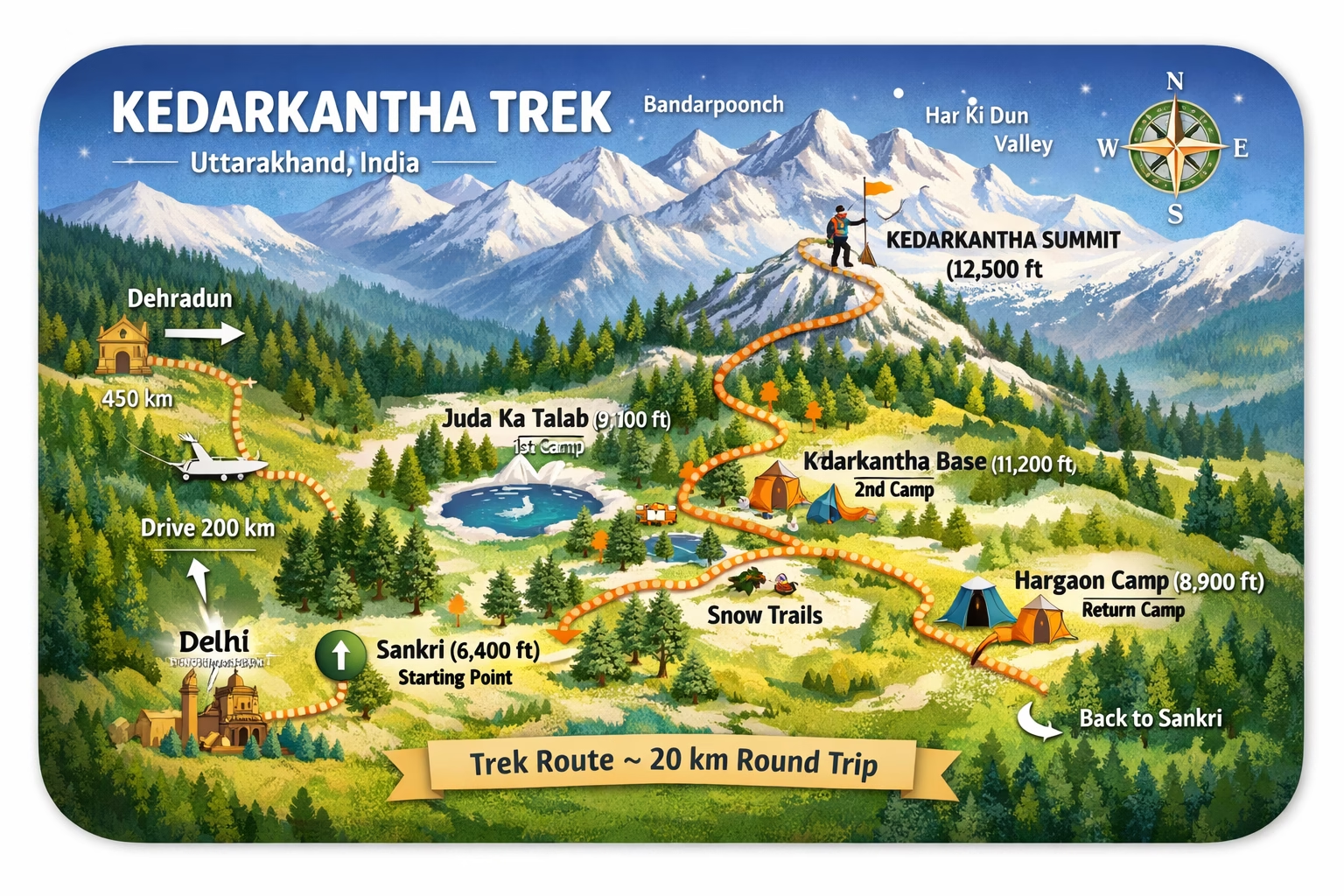
The Kedarkantha Trek is not famous because it is difficult. It is famous because it is honest. Honest in effort, honest in reward, and honest in how it introduces people to the Himalayas. For many trekkers, Kedarkantha is the first time they walk on snow, sleep in tents under a sky full of stars, and stand on a Himalayan summit above 12,000 feet.
Located in Uttarakhand’s Govind Wildlife Sanctuary, this trek offers a rare combination: safe altitude, consistent snowfall, forest trails, open meadows, and a proper summit climb—all within a short duration. That balance is why Kedarkantha continues to be one of India’s most loved winter treks.
This blog shares complete information—not just facts, but what the trek actually feels like.
Where Is Kedarkantha Trek Located?
The Kedarkantha trek is located in the Uttarkashi district of Uttarakhand, inside Govind Pashu Vihar National Park. The trek starts from Sankri village, a small mountain settlement that acts as the base for several treks in the region.
Sankri itself is quiet, cold in winter, and surrounded by forests and peaks. Most trekkers spend one night here before starting the trek, which helps the body adjust.
Why Kedarkantha Trek Is So Popular
Kedarkantha is popular not because of social media trends, but because it delivers what people expect from a Himalayan trek.
- Snow-covered trails in winter
- Dense pine and oak forests
- Clear campsites with mountain views
- A well-defined summit
- Manageable difficulty for beginners
Very few treks above 10,000 feet offer all of this together. That is the real reason Kedarkantha works for so many people.
Kedarkantha Trek Height and Altitude Reality
- Base village (Sankri): ~6,400 feet
- Kedarkantha summit: ~12,500 feet
This height is high enough to feel like a real Himalayan summit, but not so high that altitude becomes dangerous for most people. The ascent is gradual, camps are well placed, and the body gets enough time to adapt.
Most trekkers feel breathless only near the summit—and that is normal.
Kedarkantha Trek Distance and Daily Walking
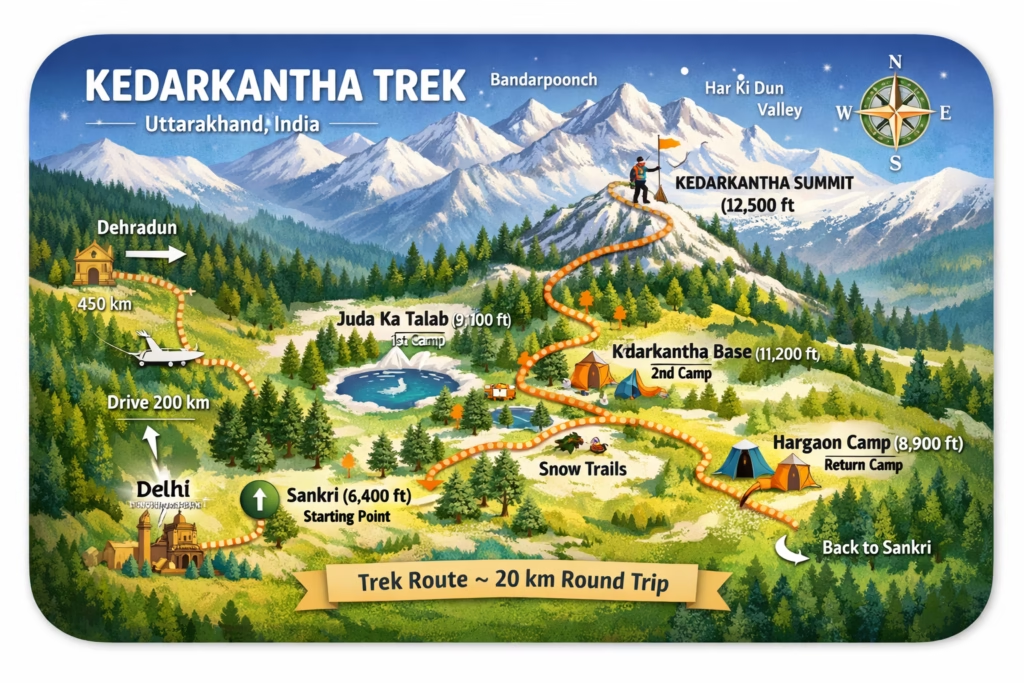
The total Kedarkantha trek distance is about 20 kilometers (round trip).
What this means practically:
- You walk 4–6 hours on most days
- Summit day is longer—around 8–9 hours, including descent
- The trail is steady, not steep, but snow makes it slower
It is tiring, but not overwhelming. If you can walk regularly and carry a small backpack, the distance is manageable.
Kedarkantha Trek Difficulty: Honest Assessment
The Kedarkantha trek is rated Easy to Medium.
In real terms:
- Without snow, it feels easy
- With winter snow, it becomes moderately challenging
There are no technical sections, no ropes, no exposed ridges. The main challenges are:
- Cold temperatures
- Walking on snow
- Long summit day
This is why Kedarkantha is ideal for beginners—but not a casual walk.
Best Time for Kedarkantha Trek (Based on Experience)
The best time for Kedarkantha trek is late December to February.
December (After 21 December)
- Fresh snowfall begins
- Christmas and New Year treks are very popular
- Trails turn white quickly
January
- Deep, consistent snow
- Coldest month
- Most “winter trek” feeling
February
- Snow remains strong
- Slightly fewer crowds
- Still very cold at night
March to Early April
- Snow near the summit
- Warmer days
- Good balance for beginners
Months to Avoid
- July to September: monsoon, landslides, slippery trails
- May–June: no snow, trek loses its charm
If snow is your reason for going, winter is non-negotiable.
- Dayara Bugyal Trek
- Kedarkantha Trek: A Complete Travel Guide Based on Real Trekking Experience
- Tungnath Trek – A Complete Guide 2026
- Best Trekking Companies for Uttarakhand 2026

- Kedarnath Trek: A Complete Guide for Every Devotee and Travellers
Kedarkantha Trek Night Experience
Nights are one of the strongest memories of this trek.
- Temperatures drop to -5°C to -10°C in winter
- Campsites are silent and still
- The sky is often filled with stars
- Snow reflects moonlight beautifully
Inside the tent, sleeping bags keep you warm, but stepping outside at night reminds you that you are truly in the mountains.
Kedarkantha Trek Package and Duration
Most Kedarkantha trek packages last 5 to 6 days, starting from Dehradun.
A typical structure:
- Day 1: Dehradun to Sankri
- Day 2–4: Trek through camps and forests
- Day 5: Summit and descent
- Day 6: Return to Dehradun
Some packages extend to 7 days for rest or buffer days.
Kedarkantha Trek Cost (Realistic Range)
The Kedarkantha trek cost depends on season and services.
- Regular winter season: ₹8,000–₹12,000
- Christmas & New Year: ₹12,000–₹15,000
- Budget options exist, but equipment quality matters in winter
Good sleeping bags, proper food, and experienced guides are more important than saving a small amount.
Kedarkantha Trek from Delhi: Travel Details
- Delhi to Dehradun – by train, bus, or flight
- Dehradun to Sankri – 10–12 hours by road
- Trek begins from Sankri
Most trekking companies arrange transport from Dehradun, not directly from Delhi.
What You Actually Feel on the Summit
The Kedarkantha summit is not dramatic in height, but it is emotionally powerful.
- Wide open snowfield
- 360-degree mountain views
- Peaks like Swargarohini visible on clear days
- A sense of calm rather than rush
For many people, it is the first time they feel silence at altitude.
Is Kedarkantha Trek Worth It?
Yes—especially if:
- This is your first Himalayan trek
- You want snow without extreme risk
- You want a real summit experience
- You prefer safety and structure
Kedarkantha does not try to shock you. It slowly builds confidence, stamina, and respect for the mountains.
Final Thoughts
The Kedarkantha Trek is not just a winter destination. It is an introduction—to trekking, to cold nights, to walking slowly, and to earning views instead of scrolling through them.
If you choose the right season, prepare honestly, and walk with patience, Kedarkantha gives back far more than it asks.
Yes, Kedarkantha is one of the best treks in India for first-time trekkers. The trail is well-defined, the altitude gain is gradual, and there is no technical climbing involved. Even people with no prior trekking experience usually complete it comfortably if they are reasonably fit.
The trek is officially rated Easy to Medium. Without snow, it feels easy. In winter, walking on snow and the long summit day make it moderately challenging. It is tiring but not dangerous, which is why beginners are encouraged to try it.
In peak winter (December to February), night temperatures can drop to -5°C to -10°C, sometimes even lower at higher camps. Proper sleeping bags and layered clothing are essential, but most trek packages provide adequate winter gear.
If you go between late December and February, chances of seeing snow are very high. Snowfall usually starts after 21 December and stays till March at higher altitudes. Outside winter, snow is not guaranteed.
For beginners who want snow but not extreme cold, late February to March is ideal. For those who want a full winter experience and don’t mind cold nights, January is considered the best month.
The total trek distance is about 20 kilometers (round trip). Most trekking days involve 4–6 hours of walking. Summit day is longer and can take around 8–9 hours including descent.
The Kedarkantha summit is at an altitude of approximately 12,500 feet (3,810 meters). This height gives a true Himalayan summit feel without the high risk usually associated with very high altitudes.