
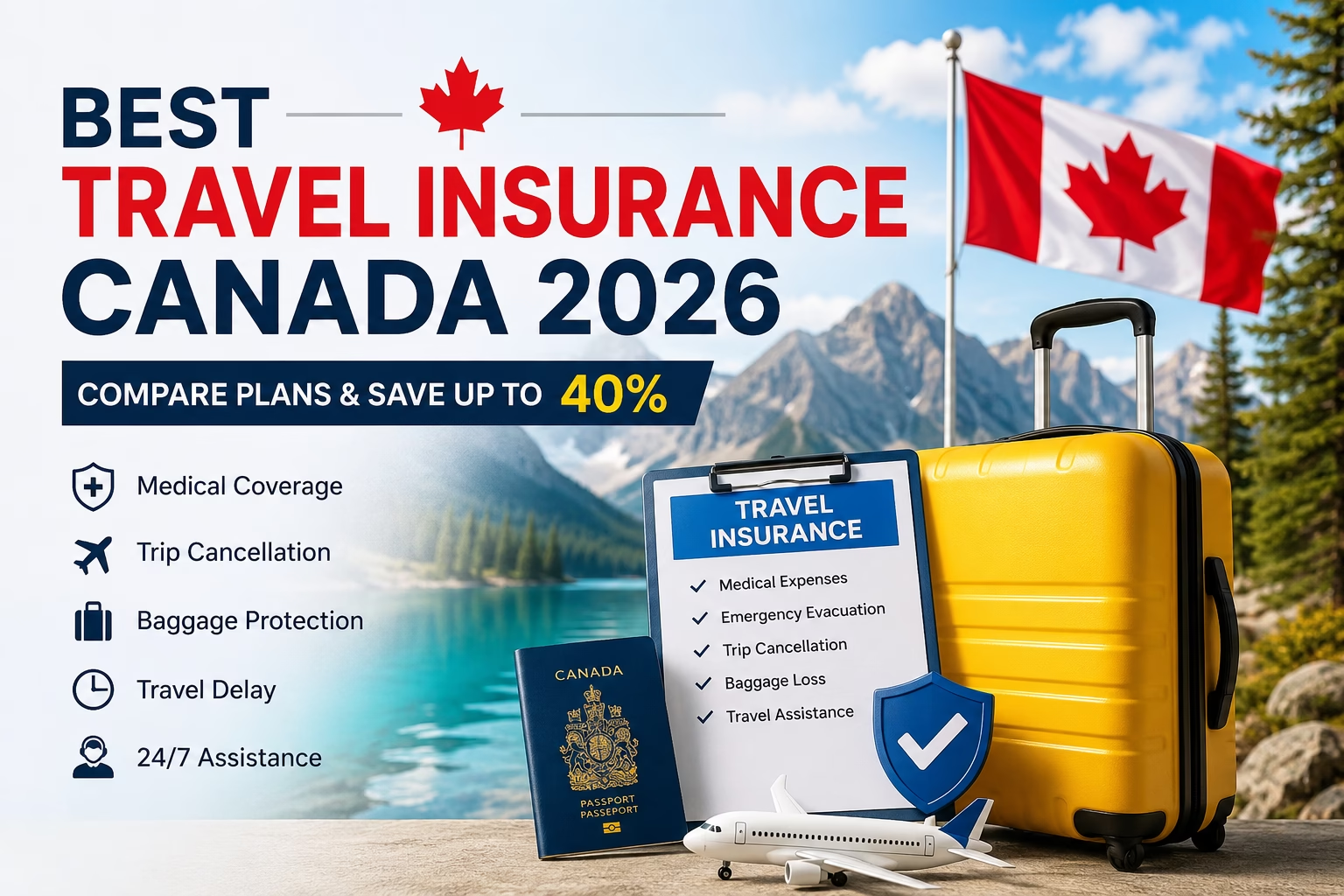
“After reviewing travel insurance options available to Canadian travelers and analyzing coverage differences between major providers, we found that choosing the cheapest plan is often the most expensive mistake travelers make.”
Traveling should be about creating memories, not worrying about unexpected expenses. Yet every year, thousands of travelers face medical emergencies, flight disruptions, lost baggage, and trip cancellations that end up costing far more than the vacation itself. In 2026, with healthcare costs continuing to rise worldwide, travel insurance is no longer an optional extra—it is an essential part of trip planning.
Whether you’re a Canadian resident heading overseas, a visitor exploring Canada, or a parent traveling on a Super Visa, choosing the right travel insurance policy can protect you from significant financial losses. The challenge is that many travelers either buy the cheapest plan without understanding the coverage or skip insurance altogether, assuming nothing will go wrong.
The reality is simple: one hospital visit in another country can cost thousands of dollars. A delayed flight, lost luggage, or a sudden family emergency can also turn a dream trip into an expensive headache. The good news is that the right insurance plan can provide protection against these risks while still fitting your budget.
This guide will help you understand how travel insurance works in Canada, what coverage you should look for, which plans offer the best value in 2026, and how smart travelers can save up to 40% on their premiums.
Why Travel Insurance Matters More Than Ever in 2026
Many travelers assume their provincial health plan or credit card benefits will fully protect them when traveling. Unfortunately, this is often not the case. Most provincial health plans provide limited coverage outside Canada, and credit card insurance frequently comes with restrictions on age, trip duration, or coverage limits.
Travel insurance acts as a financial safety net when unexpected events occur. Instead of paying out of pocket for emergency medical treatment, ambulance services, or trip interruptions, your insurance policy can cover eligible expenses according to the policy terms.
For international travelers, emergency medical coverage is often the most important benefit. Healthcare costs in countries such as the United States can be extremely expensive, making even a short hospital stay financially overwhelming without proper insurance.
What Does Travel Insurance Cover?
While coverage varies by provider, most comprehensive travel insurance plans include:
Emergency Medical Coverage
This helps pay for emergency medical treatment, hospitalization, prescription medications, ambulance services, and emergency medical evacuation when required.
Trip Cancellation Protection
If an unexpected event forces you to cancel your trip before departure, eligible non-refundable travel expenses may be reimbursed.
Trip Interruption Coverage
If you must return home early due to illness, injury, or a family emergency, trip interruption coverage can help recover unused travel expenses.
Baggage Protection
Lost, stolen, or damaged luggage can quickly disrupt travel plans. Many policies provide compensation for covered baggage losses.
Travel Delay Benefits
Unexpected flight delays often lead to extra accommodation and meal costs. Travel delay coverage can help reimburse eligible expenses.
Types of Travel Insurance Available in Canada
Single-Trip Insurance
Designed for travelers taking one vacation or business trip during the year. Coverage begins on departure and ends when you return home.
Multi-Trip Annual Insurance
Frequent travelers often save money with annual plans that cover multiple trips throughout the year.
Visitor Insurance
This option is designed for visitors coming to Canada. It provides emergency medical protection during their stay.
Super Visa Insurance
Parents and grandparents visiting Canada under the Super Visa program require specific medical insurance coverage that meets government requirements.
Travel Insurance for Seniors
Many providers offer plans specifically designed for older travelers, including coverage for stable pre-existing medical conditions.
How to Choose the Best Travel Insurance Plan
Not all travel insurance policies are created equal. Instead of focusing only on price, compare plans based on:
- Medical coverage limits
- Deductibles
- Coverage for pre-existing conditions
- Emergency assistance services
- Trip cancellation benefits
- Baggage protection
- Customer service reputation
A slightly higher premium can often provide significantly better protection and reduce financial risks during your trip.
How Travelers Can Save Up to 40% on Travel Insurance
Compare Multiple Quotes
Prices can vary considerably between insurance providers. Comparing quotes from several companies often reveals substantial savings.
Purchase Coverage Early
Buying travel insurance soon after booking your trip may provide access to additional benefits and better pricing.
Consider Higher Deductibles
Travelers comfortable paying a larger deductible in the event of a claim can often reduce premium costs.
Choose Annual Coverage
If you travel several times per year, annual multi-trip insurance may cost less than purchasing separate policies for every trip.
Avoid Paying for Unnecessary Add-Ons
Review your policy carefully and select coverage that matches your actual travel needs.
Common Travel Insurance Mistakes
Many travelers make costly mistakes when purchasing insurance:
- Buying the cheapest policy available
- Ignoring policy exclusions
- Failing to disclose medical conditions
- Waiting until the last minute to purchase coverage
- Assuming credit card insurance is enough
Understanding your coverage before departure can prevent unpleasant surprises later.
Is Travel Insurance Worth It?
For most travelers, the answer is yes.
Travel insurance provides financial protection against events that are impossible to predict. While nobody expects to experience a medical emergency or trip disruption, these situations occur every day. A relatively small insurance premium can potentially save thousands of dollars in unexpected expenses.
The best travel insurance policy is not necessarily the cheapest one. It is the plan that offers the right balance of coverage, value, and peace of mind for your specific travel needs.
Final Thoughts
Travel in 2026 is more exciting than ever, but it also comes with risks that travelers should not ignore. From medical emergencies and flight delays to lost baggage and trip cancellations, unexpected events can happen at any time. Investing in quality travel insurance allows you to explore the world with greater confidence, knowing that you’re protected if things don’t go according to plan.
Before purchasing a policy, take time to compare coverage options, understand exclusions, and select a plan that matches your travel style. The right travel insurance can protect both your trip and your finances, making it one of the smartest travel investments you’ll make this year.